

Why 2 Out of 3 ADHD Kids Can't Sleep (And 5 Mom-Tested Solutions That Actually Work)
As a mom who's navigated the exhausting world of ADHD and sleep struggles, I know that 3 AM wake-up calls aren't just a phase: they're a reality for most of our families. If you're reading this with tired eyes and a fourth cup of coffee, you're not alone. 💛
Here's what the research tells us (and what we already know in our hearts): 73% of children with ADHD struggle with sleep problems, with nearly half experiencing moderate to severe difficulties. That's almost 3 out of every 4 kids: and honestly, those numbers feel low when you're living it.
But here's the thing: after years of trial and error, conversations with other ADHD families, and diving deep into what actually works, I've discovered that small, consistent changes can transform those sleepless nights into peaceful bedtimes. Let me share what's worked for real families, including the science behind why our neurodivergent kids struggle with sleep in the first place.
Why ADHD Brains Fight Sleep 🧠
Did you know? Children with ADHD sleep approximately one hour less per night than their neurotypical peers and move through sleep stages completely differently. Their brains are literally wired to resist the wind-down process.
Here's what's happening inside those busy minds:
• Delayed Sleep Phase: Up to 36% of ADHD kids naturally want to fall asleep later and wake up later • Restless Bodies: 36% experience restless legs or periodic limb movements during sleep • Racing Thoughts: The same executive function challenges that make focusing hard during the day make "turning off" at night nearly impossible • Sensory Overload: Everyday textures, sounds, and sensations that seem fine during busy daytime hours become overwhelming in quiet bedrooms
The beautiful, complex ADHD brain that brings us creativity, passion, and outside-the-box thinking also makes traditional "just go to sleep" advice feel impossible.
The 5 Mom-Tested Solutions That Actually Work
1. Create a Sensory-Smart Wind-Down Space 🌙
What it is: A designated area that signals "sleep time" to both body and brain through intentional sensory elements.
How to do it: • Dim, warm lighting (think cozy lamp instead of overhead lights) • Weighted blankets or compression sheets for deep pressure input • White noise or nature sounds to mask household noises • Soft, breathable fabrics in calming colors • Remove visual distractions (toys, screens, busy patterns)
Why it works: ADHD brains need clear environmental cues to shift gears. A sensory-smart space provides the consistent signals that help the nervous system recognize bedtime is approaching.
2. The "Energy Dump" Evening Routine 💪
What it is: A structured way to help kids physically and emotionally release the day's energy before attempting sleep.
How to do it: • 20 minutes of physical movement (dancing, stretching, or gentle exercise) • 10 minutes of "worry time": talking through the day's highs and lows • 5 minutes of deep breathing or simple meditation • Consistent timing (same routine, same order, every night)
Why it works: ADHD kids often have excess physical and emotional energy that needs an outlet. Rather than fighting this, we create space for it, then naturally transition to calm.

3. Connection Before Disconnection 💛
What it is: Prioritizing one-on-one connection time as the bridge between day and night.
How to do it: • 15 minutes of undivided attention (no phones, no multitasking) • Let your child choose the activity (reading, talking, gentle play) • Focus on co-regulation: your calm presence helps their nervous system settle • Keep conversation positive and connecting, not corrective
Why it works: ADHD kids often feel misunderstood during the day. This dedicated connection time fills their emotional tank and helps them feel safe enough to let their guard down for sleep.
4. The "Tomorrow Prep" Ritual 📝
What it is: A predictable routine that helps anxious ADHD minds feel prepared for the next day.
How to do it: • Lay out tomorrow's clothes together • Pack backpack and place it by the door • Quick check of tomorrow's schedule • Choose one thing to look forward to • Write or draw one positive thing from today
Why it works: Racing thoughts at bedtime often center around tomorrow's unknowns. This routine addresses anxiety proactively and gives the brain permission to rest instead of plan.
5. Comfort Items That Actually Comfort 🧸
What it is: Intentionally chosen objects that provide sensory input and emotional security.
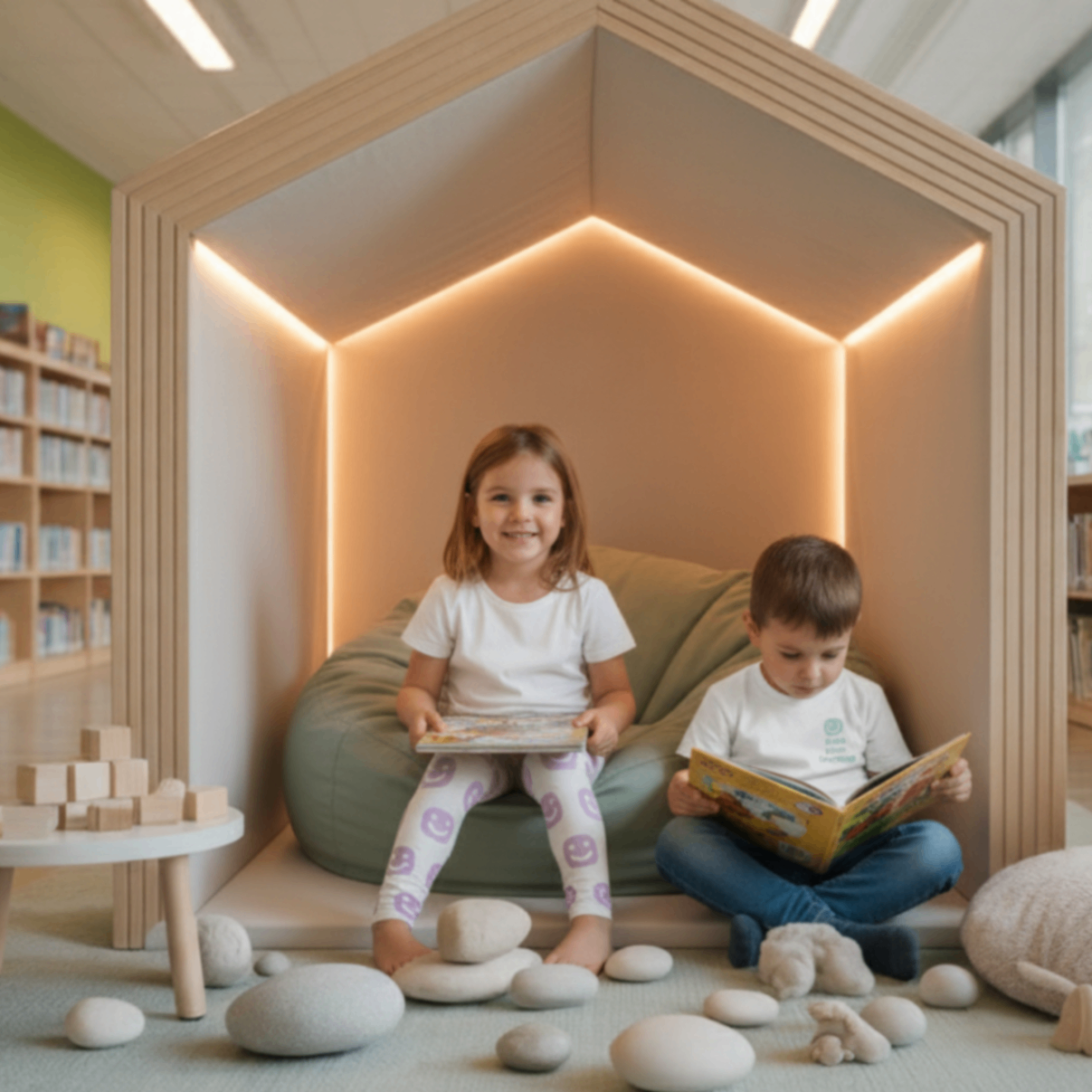
How to do it: • Let your child choose their comfort items (stuffed animals, special blankets, fidget toys) • Include items with different textures for sensory variety • Consider aromatherapy (lavender sachets, calming essential oil on pillow) • Keep comfort items consistent and easily accessible • Respect that older kids may still need comfort items: it's developmentally appropriate
Why it works: Comfort items provide the sensory input and emotional regulation that ADHD brains need to feel safe and settled.
How GG Happy™ Supports Sleepy Families
Our Stay Bright Collection was created with families like ours in mind. The gentle affirmations and calming designs help create those peaceful bedtime moments we all crave.
Tools that help with bedtime routines: • Mindfulness coloring books for quiet pre-sleep activities • Affirmation cards for positive bedtime conversations • Emotion-based learning materials for processing the day's feelings
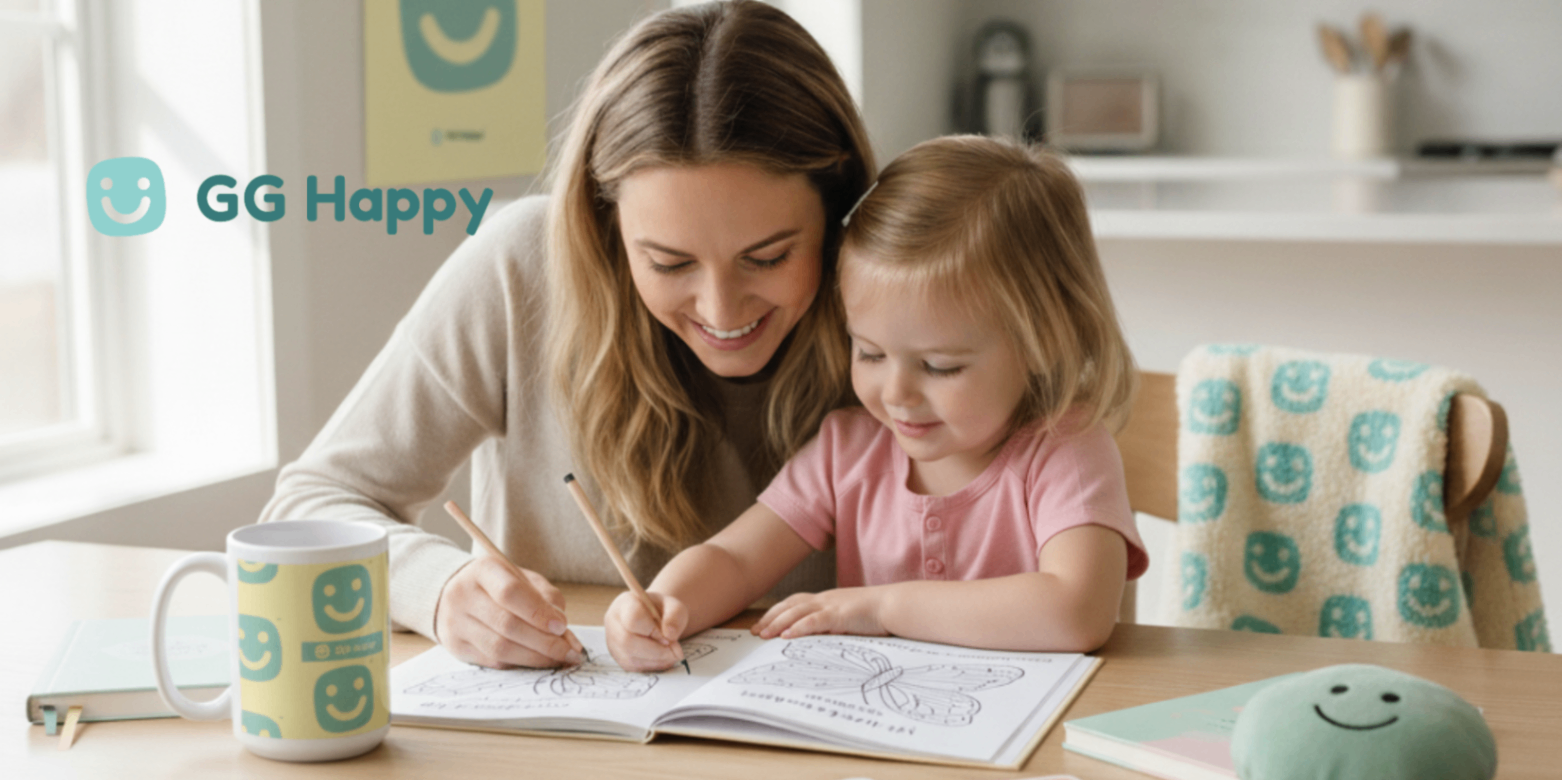
Did you know? Children who engage in mindful coloring before bed show decreased anxiety and improved sleep quality. It's the perfect bridge between active day and restful night.
The Science Behind Better Sleep
Research shows us that children with moderate to severe sleep problems are 12 times more likely to receive an ADHD diagnosis: but the reverse is also true. When we improve sleep quality, we often see improvements in:
• Daytime attention and focus • Emotional regulation • Family functioning and stress levels • Overall quality of life for both kids and parents
The key is understanding that better sleep isn't just about bedtime: it's about supporting your child's entire nervous system throughout the day.
Small Moments, Big Changes 🌼
Here's what I want every exhausted ADHD parent to know: you don't have to implement all five solutions at once. Start with one that feels manageable for your family. Maybe it's creating a cozy reading nook, or maybe it's that 15 minutes of connection time.
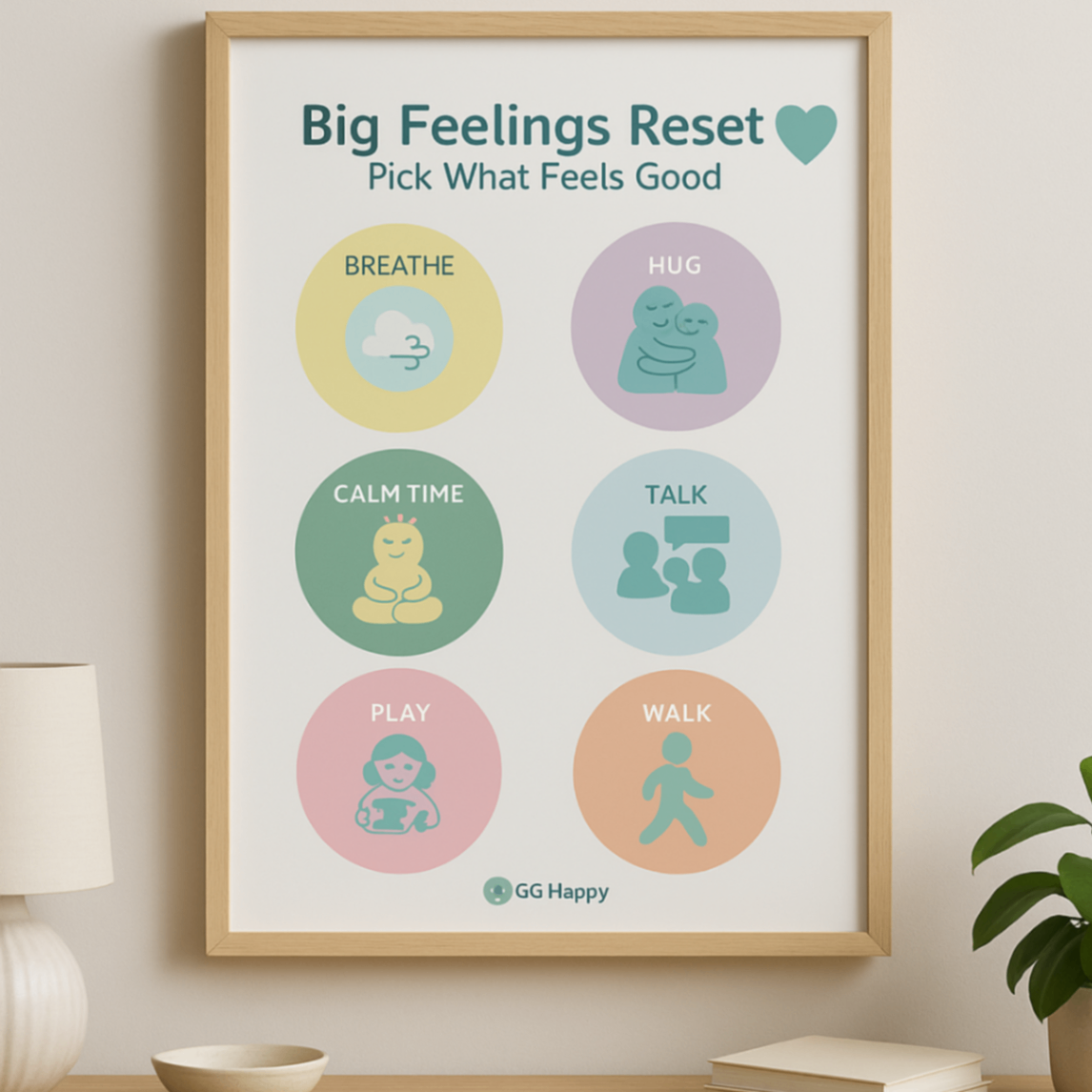
Happiness: and yes, better sleep: often starts with the smallest moments. The gentle touch during story time. The deep breath you take together. The way you validate their big feelings instead of rushing to fix them.
Your ADHD child's sleep struggles aren't a reflection of your parenting. They're a reflection of a beautifully complex brain that just needs different support. And you: amazing, dedicated parent: you're exactly the right person to provide that support.
Sweet dreams are possible for your family. Sometimes they just look different than we expected. 💛
With love and understanding,
GG Happy™
P.S. For more resources supporting neurodivergent families, explore our complete collection of tools designed with love, research, and real family experiences in mind.