

The Story of GG Happy™: Creating Calm in a Neurodivergent World
As a mom of five beautiful children, I've learned that parenting isn't a one-size-fits-all journey. Some days are filled with giggles and easy bedtime routines, while others... well, let's just say they involve a lot more tears (from both kids and parents) and creative problem-solving. 💛
When I first started noticing that traditional parenting advice wasn't quite hitting the mark for some of my little ones, I felt lost. The standard "just ignore the tantrum" approach wasn't working. The typical toys weren't providing comfort. And honestly? I was tired of feeling like I was failing as a mom.
That's when GG Happy™ was born, not from a boardroom meeting or market research, but from late-night mom moments, wondering how I could better support my children's big feelings and help them feel truly understood.
Why Now? The Neurodivergent Awareness Revolution 🌼
We're living in an incredible era of understanding. For the first time in history, we're recognizing that different doesn't mean broken. Neurodivergent minds: including ADHD, autism, sensory processing differences, and more: aren't conditions to "fix" but beautiful variations of human experience that deserve support, celebration, and understanding.
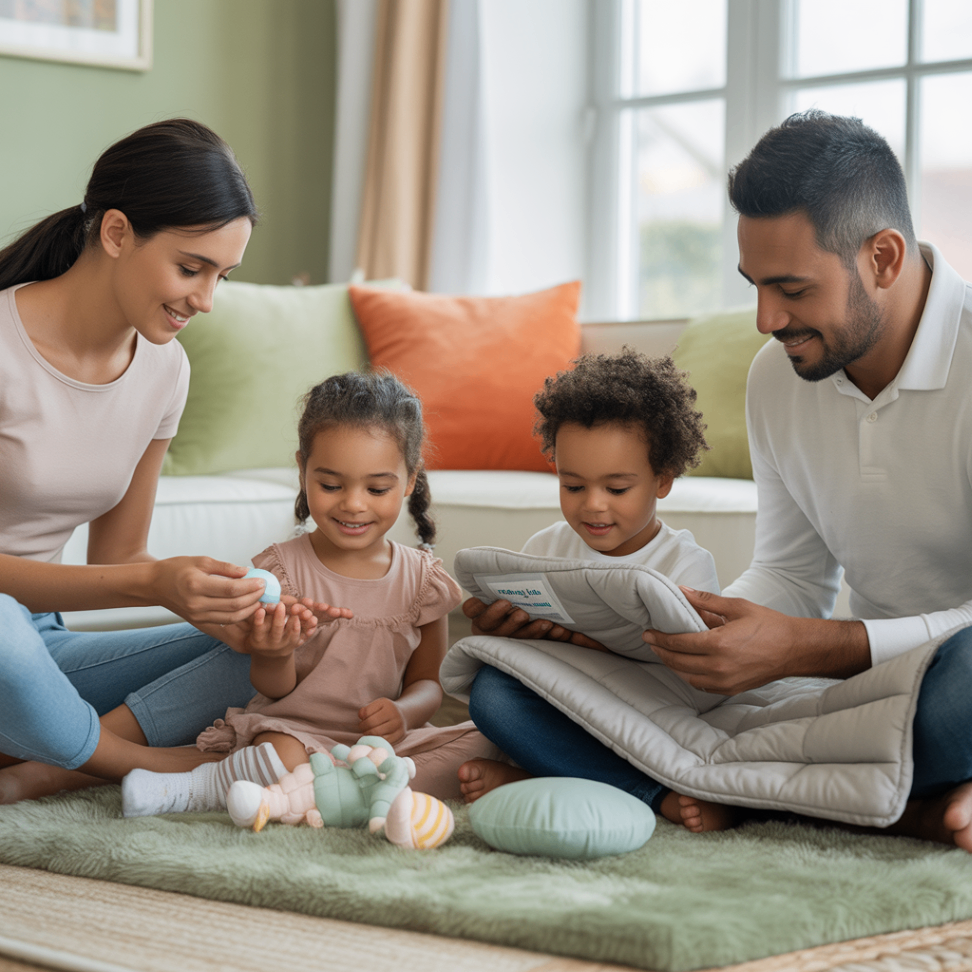
Did you know? Recent studies show that 1 in 5 children experience some form of neurodivergence¹. That means in every classroom, playgroup, and family gathering, there are likely kids whose brains work a little differently: and that's perfectly okay.
The problem isn't our children. The problem is that our world wasn't designed with their needs in mind. That's where families like ours come in, creating spaces, tools, and products that help all kids thrive.
Understanding Our Beautiful Brains: ADHD vs. Autism 💡
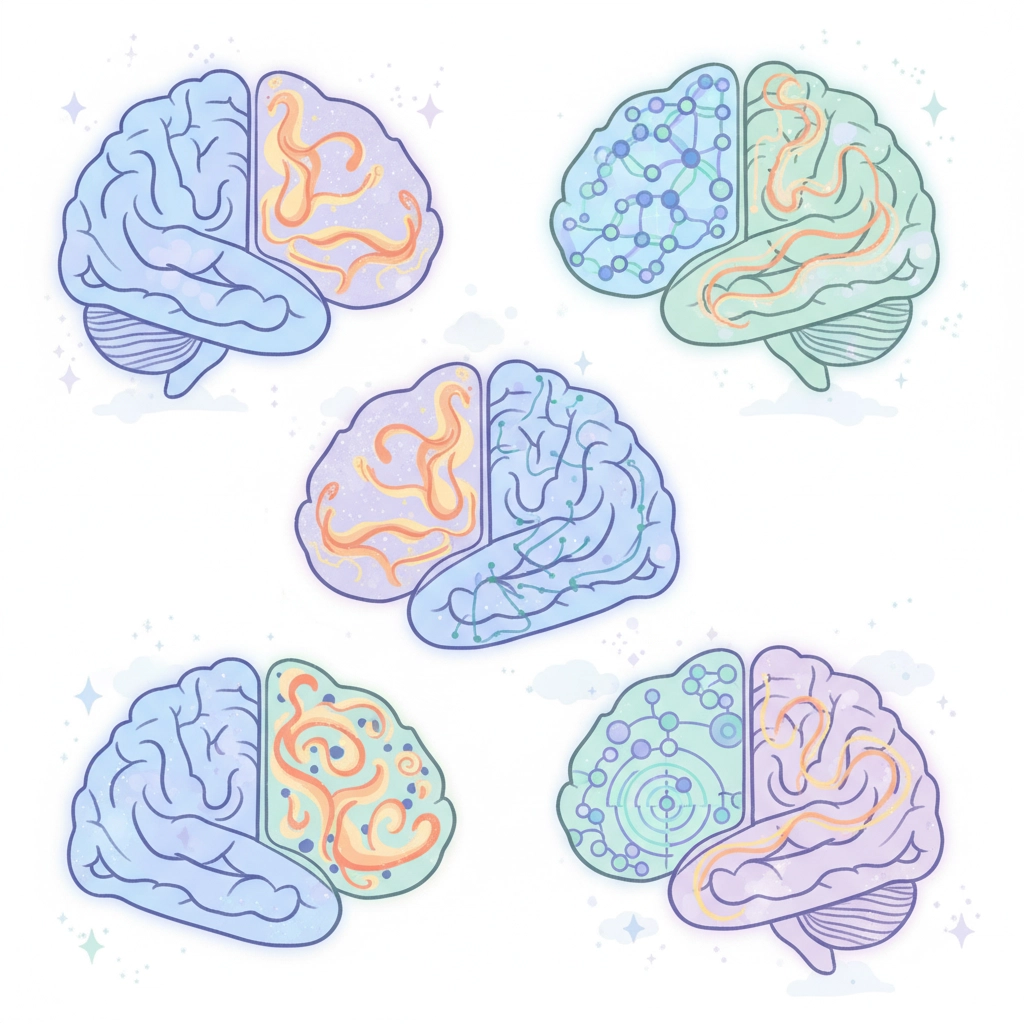
While ADHD and autism are distinct neurotypes, they often share some surprising similarities: and understanding both can help us support all children better.
How ADHD Brains Work:
- Executive function challenges: Planning, organizing, and completing tasks can feel overwhelming
- Attention regulation: Not "lack of attention" but difficulty controlling where attention goes
- Emotional intensity: Feelings can feel bigger and more intense than neurotypical peers
- Movement needs: Physical activity often helps with focus and emotional regulation
How Autistic Brains Work:
- Sensory processing differences: Lights might feel too bright, sounds too loud, or textures uncomfortable
- Communication variations: May communicate differently but have rich inner worlds
- Routine and predictability needs: Changes can feel genuinely distressing
- Special interests: Deep, passionate focuses that bring joy and expertise
The Beautiful Overlap:
Both neurotypes often share:
- Sensory sensitivities that affect daily life
- Big emotions that need extra support and understanding
- Creative problem-solving abilities that amaze adults
- Need for acceptance rather than being "fixed"
Communication: It's Not About Words Alone 💛
One of the biggest misconceptions about neurodivergent children is that communication difficulties mean they don't have anything to say. The truth? These kids often have so much to communicate: they just might need different tools to do it.
ADHD communication might look like:
- Talking rapidly with jumping topics (their minds are moving fast!)
- Interrupting (they're worried they'll forget their thought)
- Fidgeting while listening (movement helps them focus)
- Big emotional expressions
Autistic communication might look like:
- Using fewer words but meaning every one
- Communicating through behaviors, art, or special interests
- Needing processing time before responding
- Preferring written or visual communication
At GG Happy™, our emotional learning tools help all kids find their voice, whether through colors, drawings, movement, or words.
Self-Regulation: Building the Toolbox 🛠️
Self-regulation isn't about controlling emotions: it's about managing them in healthy ways. Think of it like building a toolbox where kids can reach for different strategies when big feelings arise.
Our Family's Favorite Self-Regulation Strategies:
For the Sensory Seekers:
- Weighted blankets or lap pads during homework time
- Fidget toys that don't distract from learning
- Movement breaks every 15-20 minutes
- Sensory-friendly clothing that feels good all day
For the Deep Breathers:
- Simple breathing exercises (we love "smell the flower, blow out the candle")
- Mindful coloring activities that calm racing thoughts
- Quiet corners with soft lighting and comfort items
For the Verbal Processors:
- Emotion words and feeling charts
- Affirmation shirts that remind them they're loved
- Journaling or drawing feelings
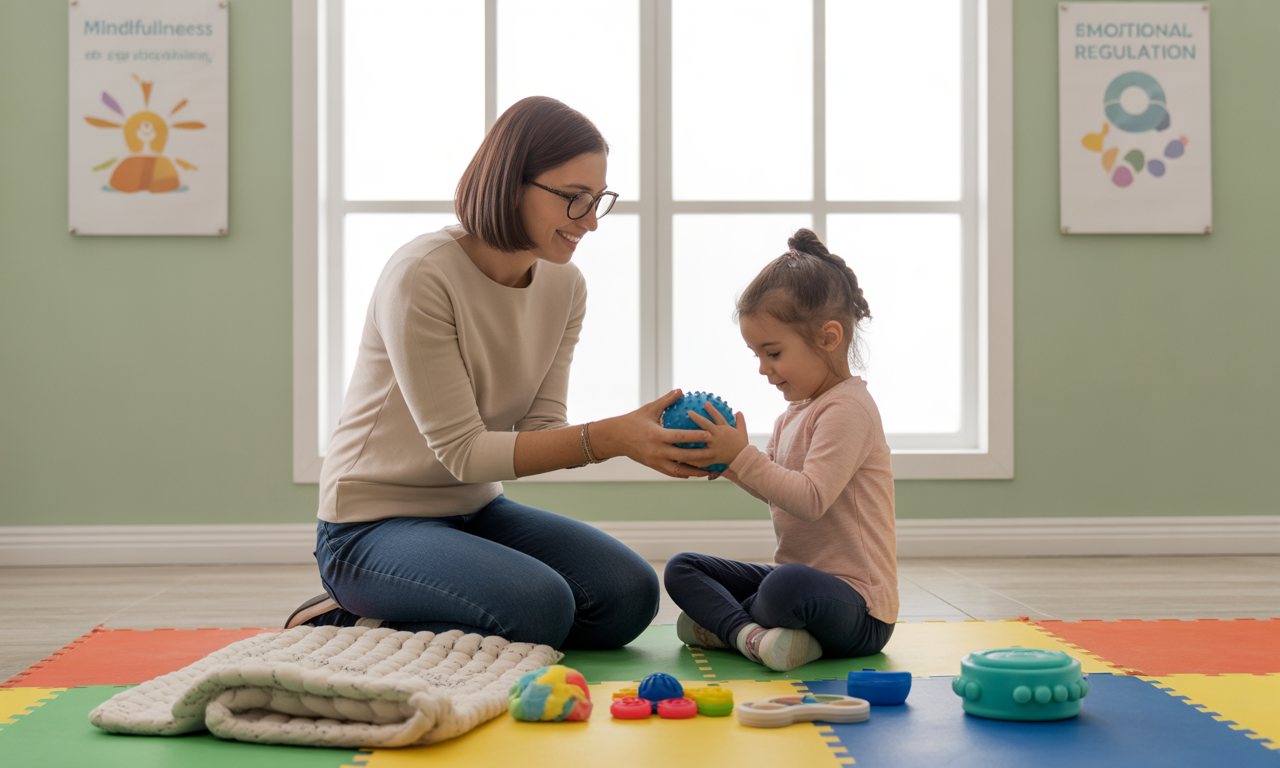
Did you know? Research shows that teaching self-regulation skills early can improve academic performance, social relationships, and overall mental health throughout life². It's not just about managing meltdowns: it's about building life skills.
Nature: The Universal Calm Creator 🌿
There's something magical about stepping outside that works for every type of brain. Whether your child has ADHD, autism, or is neurotypical, nature provides a reset button that nothing else quite matches.
Why Nature Works:
- Reduces cortisol (stress hormones) naturally
- Provides sensory input without overwhelming stimulation
- Encourages movement in unstructured, joyful ways
- Offers predictable patterns (seasons, weather, growth cycles)
- Reduces screen time and artificial stimulation
Simple Nature-Based Regulation Ideas:
- Morning sunshine walks to help regulate sleep cycles
- Barefoot grass time for grounding sensory input
- Garden exploration to practice patience and observation
- Cloud watching for mindful, quiet moments
- Nature journaling to process experiences and emotions
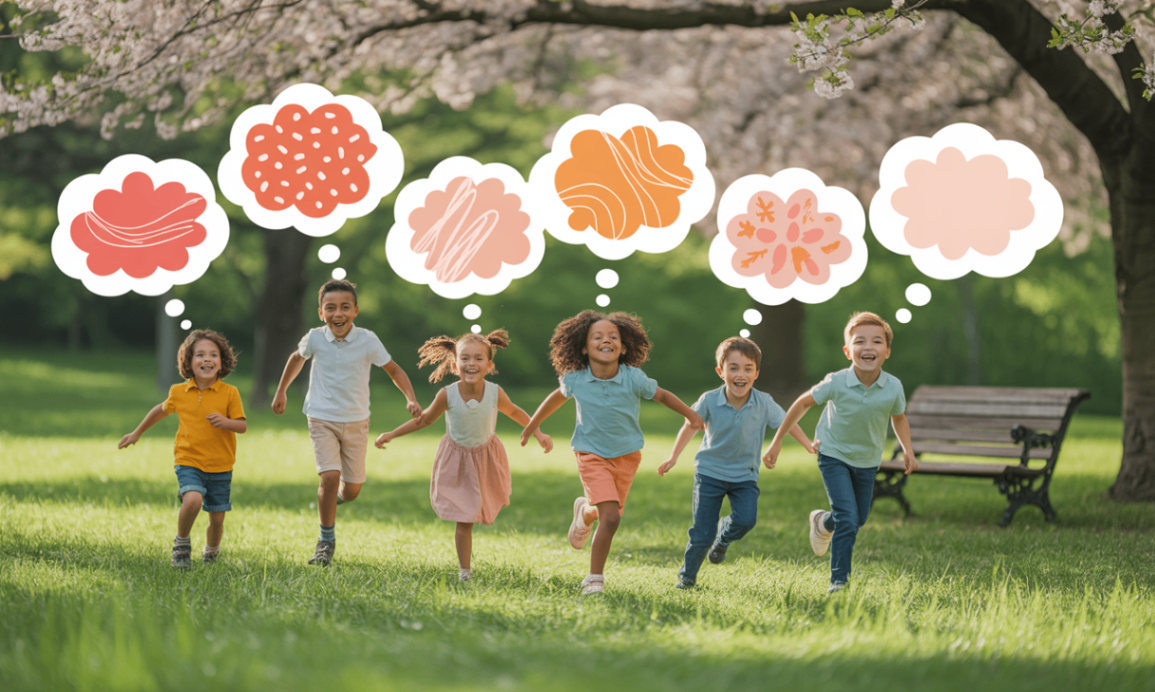
Even something as simple as opening windows for fresh air or keeping plants in your child's room can make a difference. Nature doesn't require special equipment or expensive programs: it's freely available and endlessly supportive.
Creating Understanding in Our Communities 💕
The most beautiful part of this neurodivergent awareness movement isn't just the tools and strategies: it's the growing understanding and acceptance in our communities.
How We Can All Help:
For Parents:
- Learn about different neurotypes without trying to diagnose
- Create sensory-friendly spaces in your home
- Model acceptance when you encounter different behaviors in public
- Share resources and support other families
For Educators:
- Recognize that fidgeting might actually help some children focus
- Offer multiple ways to demonstrate learning
- Create calm-down spaces in classrooms
- Celebrate different types of intelligence and creativity
For Community Members:
- Practice patience with families navigating big emotions in public
- Understand that meltdowns aren't tantrums: they're overwhelm
- Support businesses that offer sensory-friendly hours
- Advocate for inclusive playgrounds and community spaces
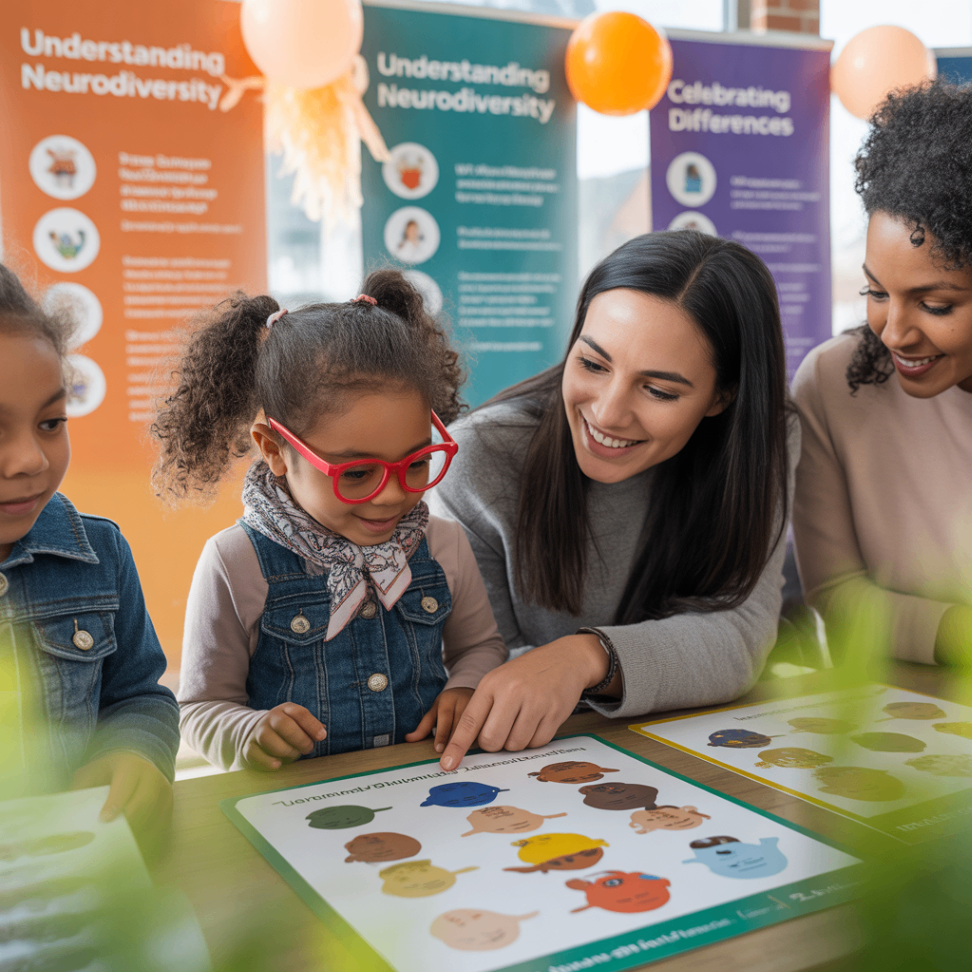
The Heart of GG Happy™: Love in Action 💛
Every product we create at GG Happy™ comes from real family moments. The calming corner printables were born from countless evenings helping little ones find peace. Our affirmation posters exist because every child deserves to know they're valued exactly as they are.
We're not just selling products: we're building a community where neurodivergent families feel seen, supported, and celebrated. Where parents don't have to choose between their child's comfort and their child fitting in. Where kids can be authentically themselves and still succeed.
Did you know? Studies show that children who feel accepted for who they are (not who others want them to be) develop stronger self-esteem, better social relationships, and greater resilience³. Acceptance isn't permissiveness: it's the foundation that allows growth to happen naturally.
Moving Forward Together 🌈
This journey of understanding neurodivergence isn't just about helping our kids: it's about creating a more compassionate world for everyone. When we make space for different brains to thrive, we all benefit from the creativity, innovation, and unique perspectives that neurodivergent minds bring to our communities.
As we continue growing GG Happy™, our mission remains the same: creating tools, resources, and products that help every child feel valued, supported, and empowered to navigate their big feelings with confidence.
Because at the end of the day, happiness often starts with the smallest moments: a child feeling comfortable in their own skin, a parent finding a tool that actually works, a community coming together to support all families.
With love and endless gratitude for this beautiful journey,
Elizabeth Gray, CEO & Fellow Mom
GG Happy™: Where every feeling matters 💛
References:
- National Institute of Mental Health, 2023
- Journal of School Psychology, 2022
- Developmental Psychology Research, 2023